 Jamie Carlson
 Every winter, Minnesota homeowners crank up their thermostats and watch their utility bills climb. Many assume the solution is simply adding more insulation to their attic or walls. However, there’s a critical step that most people overlook, one that can render even the best insulation only 60% effective. That step is air sealing, and without it, you might be throwing away $600 to $800 every single year.
Understanding why air sealing comes first requires a closer look at how homes actually lose heat, especially in Minnesota’s punishing climate where temperature swings from negative 20°F in January to 90°F in July create some of the most challenging conditions for any building envelope.
Why Air Leakage Is Minnesota’s Biggest Energy Thief
When most people think about heat loss, they picture it escaping through walls and ceilings. While heat does transfer through these surfaces, air leakage is actually responsible for 25 to 40% of heating and cooling costs in a typical home. In Minnesota’s extreme climate, that percentage often climbs even higher.
Air leakage occurs through countless small gaps and cracks throughout your home’s structure. Common culprits include recessed lighting fixtures, plumbing penetrations, electrical outlets, attic hatches, and the gaps where walls meet foundations or attics. Individually, these openings seem insignificant, but collectively they can equal leaving a window wide open all winter long.
The financial impact adds up quickly. For an average Minnesota home spending $2,000 to $2,500 annually on heating, uncontrolled air leakage can account for $600 to $800 of that cost. That’s money literally flowing out of your home with the escaping air, year after year.
The Stack Effect: Minnesota’s Amplified Air Leakage Problem
Minnesota’s extreme temperature differentials create what building scientists call an amplified stack effect. This phenomenon drives air leakage at rates far more aggressive than in moderate climates.
The stack effect works like a chimney. Warm air naturally rises and escapes through openings in your upper levels and attic, while cold air gets pulled in through gaps in your lower levels and basement. The greater the temperature difference between inside and outside, the stronger this effect becomes.
During a Minnesota winter with indoor temperatures at 70°F and outdoor temperatures at negative 20°F, you’re dealing with a 90-degree differential. This massive temperature gap creates substantial pressure differences that literally suck air through any available opening. The same principle works in reverse during summer, though typically with less dramatic temperature differences.
This relentless air movement doesn’t just waste energy. It also carries moisture into wall cavities and attics, creating conditions for mold growth, wood rot, and ice dam formation. These secondary problems can cost thousands of dollars to remediate, far exceeding the original energy waste.
Why Insulation Alone Only Solves Part of the Problem
Many homeowners invest in new insulation, expecting dramatic improvements in comfort and energy bills, only to feel disappointed by modest results. The reason is simple: insulation slows heat transfer through solid materials, but it does virtually nothing to stop air movement.
Think of insulation like a warm winter coat. If that coat is full of holes, the wind will blow right through it no matter how thick the fabric is. Your home works the same way. Fiberglass insulation, for example, is designed to trap air in tiny pockets, but if air is flowing through those pockets due to pressure differences, the insulation loses much of its effectiveness.
Research consistently shows that air sealing must come first to achieve the rated R-value performance of any insulation material. Without proper air sealing, you’re only capturing about 60% of insulation’s potential benefit. That’s why building science professionals always recommend air sealing before adding or upgrading insulation.
The good news is that when air sealing and insulation work together as an integrated system, the results are dramatic. Homeowners typically see 30 to 50% reductions in heating and cooling costs, along with significantly improved comfort throughout their homes. Modern solutions like retrofitting existing walls with injection foam make it possible to upgrade older homes without the cost and disruption of removing drywall.
How Blower Door Testing Reveals Hidden Air Leakage
One of the most valuable tools in identifying air leakage is blower door testing. This diagnostic procedure has become standard practice for energy audits and is even required for new construction in Minnesota under current building codes.
A blower door test involves mounting a powerful fan in an exterior doorway and using it to depressurize your home. This creates a controlled pressure difference that amplifies air leakage, making it much easier to detect problem areas. Technicians can use smoke pencils or infrared cameras to visually identify where air is infiltrating, even finding leaks hidden behind finished walls or buried under insulation.
The test provides quantifiable results measured in cubic feet per minute (CFM) at a standardized pressure. This data allows you to compare your home’s air tightness to building standards and track improvement after air sealing work is completed.
Professional blower door testing typically costs $200 to $400 as a standalone service, but it’s often included as part of comprehensive energy audits. The investment pays for itself by ensuring air sealing efforts focus on the areas that will provide the greatest impact.
Professional Air Sealing vs. DIY: What You Need to Know
Air sealing ranges from simple tasks any homeowner can handle to complex work requiring professional expertise and specialized equipment. Understanding the difference helps you prioritize efforts and budget appropriately.
Accessible DIY air sealing includes weatherstripping doors and windows, sealing visible gaps around plumbing penetrations with caulk, installing foam gaskets behind electrical outlet covers, and adding weatherstripping to attic hatches. These projects require minimal investment and can be completed in a weekend, potentially reducing air leakage by 10 to 15%.
However, the most significant air leakage pathways are often hidden and difficult to reach. Professional air sealing services target critical areas like the gaps between floor framing and foundation walls (rim joists), penetrations where plumbing and wiring enter attics, gaps around recessed lighting fixtures, and the many cracks in attic floor assemblies.
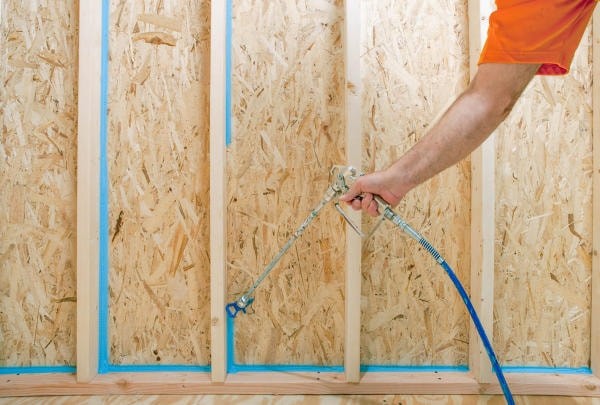
Professionals use specialized materials and techniques appropriate for different applications. This includes fire-rated sealants for areas near chimneys and flues, spray foam for large gaps and irregular spaces, and rigid foam blocking for open cavities. They also understand the importance of maintaining adequate ventilation, ensuring that air sealing doesn’t create indoor air quality problems.
Safety is another crucial consideration. Attic work involves navigating around insulation, avoiding stepping through ceilings, and working in extreme temperatures. Professional contractors have the proper equipment, training, and insurance to handle these challenges safely.
Taking Advantage of Minneapolis Insulation Rebates
One often overlooked aspect of air sealing projects is the availability of utility rebates that can significantly offset your investment. Many Twin Cities homeowners are eligible for Minneapolis insulation rebates that include incentives for comprehensive air sealing work when combined with insulation upgrades.
These rebate programs recognize that air sealing and insulation work as an integrated system. By bundling these improvements together, you can access higher incentive levels while maximizing energy savings. The specific rebate amounts vary by utility provider and project scope, but they can cover 10 to 30% of total project costs.
Additionally, federal tax credits for energy efficiency improvements may apply to qualifying air sealing and insulation projects. For 2024 and 2025, homeowners can claim up to 30% of project costs, with specific dollar limits based on improvement types. When combined with utility rebates, these incentives can make comprehensive air sealing projects surprisingly affordable.
Working with contractors familiar with rebate requirements ensures your project documentation meets program standards and qualifies for available incentives. This typically involves providing before-and-after blower door test results and using approved materials and installation methods.
Making Your Air Sealing Investment Count
For Minnesota homeowners serious about reducing energy costs and improving home comfort, air sealing represents one of the highest return-on-investment improvements available. Unlike expensive HVAC system replacements or window upgrades, air sealing typically pays for itself in three to seven years through reduced utility bills.
The key is approaching air sealing systematically rather than randomly sealing visible gaps. Starting with a professional energy audit that includes blower door testing identifies the specific areas where your home is losing the most air. This data-driven approach ensures your air sealing budget focuses on the improvements that will deliver the greatest impact.
Timing matters too. Air sealing work is ideally performed before adding new insulation or upgrading existing insulation. This sequence allows contractors to access and seal critical areas that become difficult or impossible to reach once new insulation is installed. Many insulation contractors now include comprehensive air sealing as a standard part of their scope of work, recognizing that the combined approach delivers far superior results.
Minnesota’s extreme climate demands extreme attention to air sealing. The temperature differentials that drive powerful stack effect air movement won’t be getting any smaller. By prioritizing air sealing as the foundation of your home’s thermal envelope, you’re not just reducing energy waste; you’re investing in long-term comfort, durability, and performance that will serve you well for decades to come.
The $600 to $800 you’re currently losing each year to air leakage represents thousands of dollars over the life of your home. More importantly, it represents a solvable problem. With the right assessment, professional air sealing, and proper insulation, your home can join the growing number of Minnesota houses that stay comfortable year-round without breaking the budget.